 Bonaire Snorkeling Tours
Bonaire vs Aruba Snorkeling: The Honest ABC Comparison
Last reviewed August 2026
Bonaire vs Aruba snorkeling turns on one trade-off: Bonaire gets you closer to a genuinely protected reef, right off a hard shore; Aruba gets you calmer, sandier water and a wreck dive worth doing, with less reef to see on the way. Curaçao sits between the two, with far more places to simply walk in. None of the three is the wrong choice, and this page is written to say so plainly rather than sell the one it happens to cover, since snorkeling tours on Bonaire are the only ones this site has actually reviewed in detail.
Quick answer
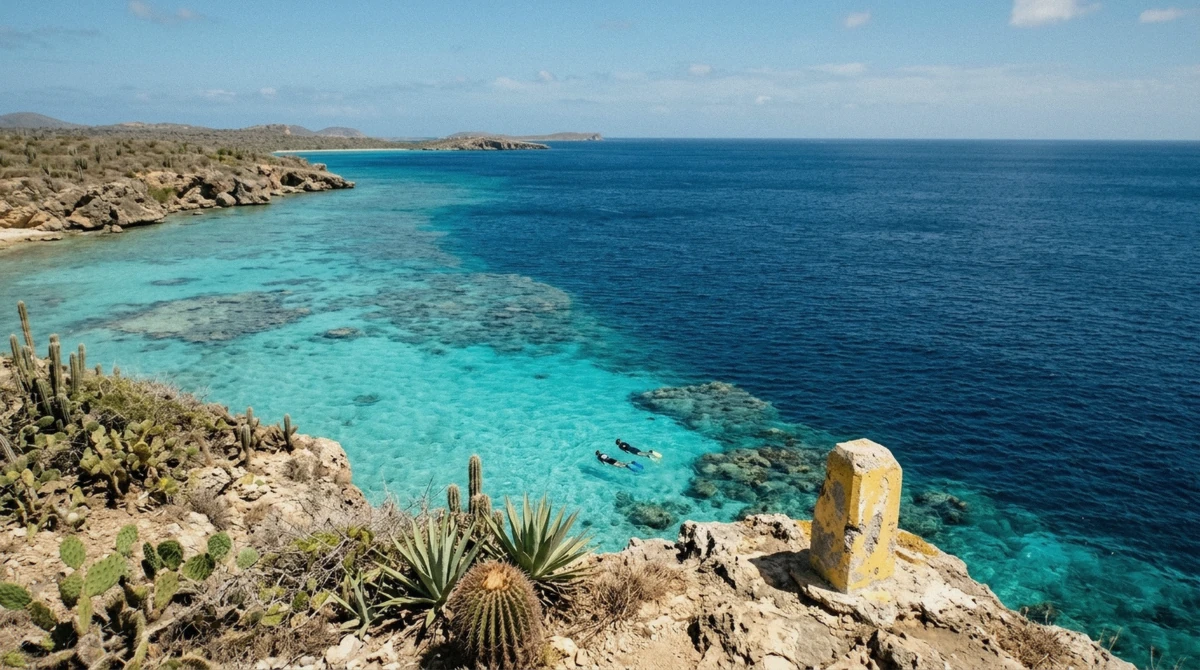
Bonaire wins on reef access and protection: the coastline has been a marine park since 1979 and the reef starts within metres of shore. Curaçao wins on ease, with more than 70 shore-entry sites and easier beaches. Aruba wins on comfort, with the calmest, sandiest swimming of the three and one well-known wreck to snorkel or dive.
Key takeaways
- Bonaire's whole coastline to 60 m depth has been a protected marine park since 1979, one of the world's first
- Bonaire charges a $40 annual nature fee for any water activity; check what that buys before you go
- Curaçao has more than 70 shore-entry sites, more sandy coves, and generally looser reef protection than Bonaire
- Aruba is the least reef-focused island of the three: wreck diving is the real draw, and the beaches are the calmest and most developed
- Bonaire's honest weakness is access, not the reef: sharp ironshore entries and a shallow reef that guides who revisited in 2022 recorded as thinner than a decade earlier
- Residents of Aruba, Bonaire and Curaçao are exempt from Bonaire's nature fee, a detail worth knowing if you are island-hopping on a local sedula
The Short Answer: Which ABC Island for Snorkeling
There is a real answer here, not a shrug, and it depends on what the trip is actually for.
Pick Bonaire if reef quality is the point
The entire coastline is inside a marine park that has been protecting it since 1979, and the reef genuinely starts metres from shore in most places rather than after a boat ride. Nothing on Aruba or Curaçao is managed at that scale. The cost is getting in: most Bonaire entries are sharp fossil ironshore, not sand, and the shallow reef itself has thinned since 2015 by the account of guides who have watched it for years.
Pick Curaçao if you want more places to just walk in
More than 70 shore-entry sites means more chances of finding an easy, sandy way into the water near wherever you are staying, and protection rules are less strict than Bonaire's, which is a trade-off, not a pure upgrade. It is a larger island with more flights and generally lower prices, and snorkeling works at most of its beaches rather than a curated handful.
Pick Aruba if the trip is about the beach first
Aruba is the least reef-focused of the three. Wreck diving, the Antilla in particular, is the real draw for anyone snorkeling or diving here, and the beaches themselves are the calmest, sandiest swimming of the three islands, backed by the most developed resort infrastructure. Go in expecting a beach trip with good snorkeling attached, not a reef trip.
Bonaire vs Aruba vs Curaçao at a Glance
The short version, side by side.
| Bonaire | Curaçao | Aruba | |
|---|---|---|---|
| Reef access | Reef starts metres from shore in most spots | Reef access varies by beach | Least reef-focused of the three |
| Shore entry difficulty | Hardest: mostly sharp ironshore | Easier: sandy at most of its 70+ sites | Easiest: calm, sandy beaches |
| Protection status | Marine park since 1979, strictly managed | Less strict than Bonaire | Not reef-managed at this scale |
| Beaches | Fewest sandy beaches of the three | More sandy coves than Bonaire | Calmest, most developed beaches |
| Fees to know | $40 nature fee, verified | No verified per-diver fee; check locally | No verified per-diver fee; check locally |
| Best for | Dedicated reef and shore snorkeling | Easy access, a bit of everything | Beach comfort, plus a wreck |
Last verified: August 2026. Where a cell says "check locally," it is because no verified figure for that number exists for that island; this site only publishes what it can confirm.
Bonaire: The Reef Case
The case for Bonaire is the reef itself, and it holds up under scrutiny.
What makes it different
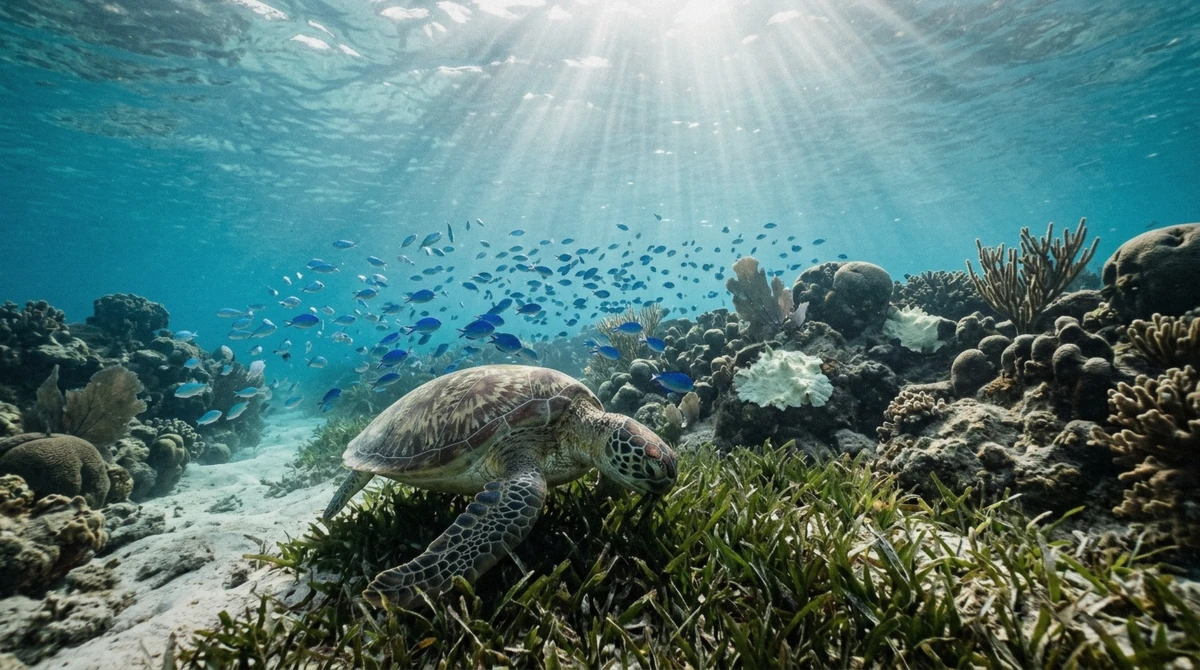
The whole coastline from the high-water line to 60 m depth has been a national marine park since 1979, one of the world's first, and the reef starts within metres of shore rather than after a long swim or a boat transfer. The island counts more than 350 fish species and around 57 coral species, with visibility typically 20 to 30 metres. Klein Bonaire, the uninhabited island a short boat ride offshore, has held up the best of any site here, since nothing is built on it and nothing drains into the water around it.
Trips like the Klein Bonaire two-stop drift snorkel are built around exactly that stop.
The honest weakness
Access, not the reef itself, is where Bonaire loses ground. Most shore entries are sharp fossil ironshore rather than sand, few beaches exist at all, and the island's tourist infrastructure is the smallest of the three. Long-running guides who revisited familiar sites in 2022 documented a real decline in shallow-reef health, fish size and diversity, driven by bleaching, coral disease, storm damage and rising cruise traffic; some now rate Curaçao the easier destination for a casual snorkeler.
That decline is worth knowing before booking, not something to gloss over.
Curaçao: The Easy-Access Case
Curaçao's pitch is fewer barriers between the road and the water.
What makes it different
More than 70 shore-entry sites spread across a larger island means snorkeling works at most beaches, not a curated list of them, and more of those entries are sand rather than ironshore. Reef protection is genuinely less strict than Bonaire's, which means less regulation to work around but also less of the deliberate management that has kept Bonaire's best sites intact.
The honest trade-off
Looser protection cuts both ways: easier access for visitors also means less consistent enforcement of the rules that keep a reef healthy over decades. This site has not reviewed a single Curaçao operator or site in the depth it has reviewed Bonaire's, so treat this section as an honest outline, not a substitute for Curacao-specific research if that island is the one you book.
Aruba: The Beach and Wreck Case
Aruba's case rests on comfort first, reef second.
What makes it different
Aruba is the least reef-focused of the three islands. The real draw for anyone snorkeling or diving is wreck diving, the Antilla chief among them, and the island otherwise offers the calmest, sandiest swimming of the three along with the most developed resort infrastructure. Several beaches support decent snorkeling, but nobody picks Aruba over Bonaire for reef density.
The honest trade-off
What you gain in comfort you give up in reef variety. A traveller set on seeing the widest range of coral and fish life in a single trip is choosing the wrong island if Aruba is the pick; a traveller who wants a relaxed beach week with snorkeling as one activity among several is choosing correctly.
Bonaire vs Curaçao: Head to Head
Bonaire
- Reef starts metres from shore, inside a marine park managed since 1979
- 350+ fish species and around 57 coral species, with 20 to 30 metre visibility typical
- Hardest entries of the two: sharp ironshore, few sandy beaches
- $40 verified annual nature fee, smallest tourist infrastructure of the pair
Curaçao
- More than 70 shore-entry sites, easier and sandier access at most of them
- Reef protection is looser, so quality varies more from site to site
- Larger island, more flights, generally lower prices
- No verified per-diver fee published for this comparison
Verdict Bonaire is the stronger choice for a trip built around the reef itself and a traveller willing to deal with ironshore entries to get there. Curaçao is the stronger choice for a traveller who wants snorkeling as part of a broader trip and does not want the entry to be the hardest part of the day.
What the Fees and Rules Look Like on Each
Bonaire is the only one of the three islands with fees this site can verify to the dollar.
| Charge | Amount | Applies to |
|---|---|---|
| Bonaire STINAPA Nature Fee | $40 per person | Everyone 13+ entering the sea anywhere in the marine park, valid for a calendar year |
| Bonaire Visitor Entry Tax | $75 per person | Every arriving international visitor, separate from the nature fee |
| Curaçao per-diver or per-snorkeler fee | Not verified | Check the current rate locally before booking |
| Aruba per-diver or per-snorkeler fee | Not verified | Check the current rate locally before booking |
Last verified: August 2026. Bonaire's nature fee covers the marine park to 60 m depth around Bonaire and Klein Bonaire, plus Washington Slagbaai National Park on land; residents of Aruba, Bonaire and Curaçao holding a valid sedula are exempt on all three islands. This site has not found a verified per-diver or per-snorkeler fee figure for Curaçao or Aruba and will not publish one until it can confirm it.
Pick the Island by Traveller Type
If You want the best reef and don't mind a harder shore entry
Bonaire. Nothing on the other two islands matches its protected coastline or its fish and coral counts.
If You want an easy walk-in beach snorkel without much planning
Curaçao. More than 70 sites means an easy entry is rarely far from wherever you are staying.
If You are traveling with non-swimmers or want calm water above all
Aruba. The calmest, sandiest swimming of the three, with a wreck to add for anyone who does snorkel.
If You are budget-conscious and want the lowest overall cost
Curaçao, generally the cheapest of the three on flights and prices, with Bonaire's verified $40 fee added if that is the island instead.
If You want a genuine wreck to snorkel or dive, not just reef
Aruba, where the Antilla is the standout draw over reef density.
Can You Combine Two Islands in One Trip?
Geography makes this easier than it sounds.
The three ABC islands sit close together off the Venezuelan coast, all outside the main hurricane belt and sharing the same easterly trade-wind pattern, which on Bonaire blows about 95% of the time. That shared geography is why island-hopping between them is a genuinely common trip shape rather than a stretch. A short inter-island flight connects Bonaire to Curaçao or Aruba in under an hour, and travellers who want both the reef case and the beach case sometimes split a week between Bonaire and one of the other two rather than choosing outright.
If Bonaire is one leg of that trip, the Klein Bonaire two-stop drift or the Double Dip catamaran drift are the two most-reviewed ways to use a short stay well. Anyone weighing whether a Bonaire stop earns its place at all should read is snorkeling in Bonaire worth it before booking flights.
Bonaire, Aruba and Curaçao Snorkeling: Questions
Which ABC island has the best reef for snorkeling?
Bonaire. Its coastline has been a protected marine park since 1979, the reef starts within metres of shore, and it counts more than 350 fish species and around 57 coral species.
Which ABC island is easiest to snorkel without a tour?
Curaçao, on the strength of more than 70 shore-entry sites, many of them sandy. Bonaire's entries are mostly sharp ironshore, which makes an unguided first attempt harder there.
Is Bonaire more expensive than Curaçao for snorkeling?
Bonaire has a verified $40 annual nature fee plus a $75 Visitor Entry Tax that Curaçao does not have a published equivalent for in this comparison, and Curaçao is generally the cheaper island on flights and accommodation.
Does Aruba have good reefs for snorkeling?
Some, but reef is not the point. Aruba is the least reef-focused of the three ABC islands, with wreck diving, the Antilla especially, as the real draw and the calmest sandy beaches of the three.
Has Bonaire's reef gotten worse in recent years?
Yes, in the shallows. Long-running guides who revisited familiar sites in 2022 documented a decline in shallow-reef health, fish size and diversity from bleaching, coral disease, storm damage and rising cruise traffic. Klein Bonaire's reefs have held up the best.
Can I visit all three ABC islands on one trip?
Yes. Short inter-island flights connect Bonaire, Curaçao and Aruba, and a split trip between two of the three is common enough that it is worth planning around rather than treating as a stretch.
None of the three ABC islands is the objectively correct pick. Bonaire earns its reputation on reef quality and protection, at the cost of the hardest entries and the smallest infrastructure of the three. Curaçao trades some of that protection for far easier access.
Aruba trades reef density for comfort and one standout wreck. What the fees and rules table above makes clear is simpler than the marketing on any of the three: Bonaire is the one island in this comparison with verified numbers to check before you book, and what the Bonaire boats actually offer is the place to see what that $40 fee buys once you're in the water.